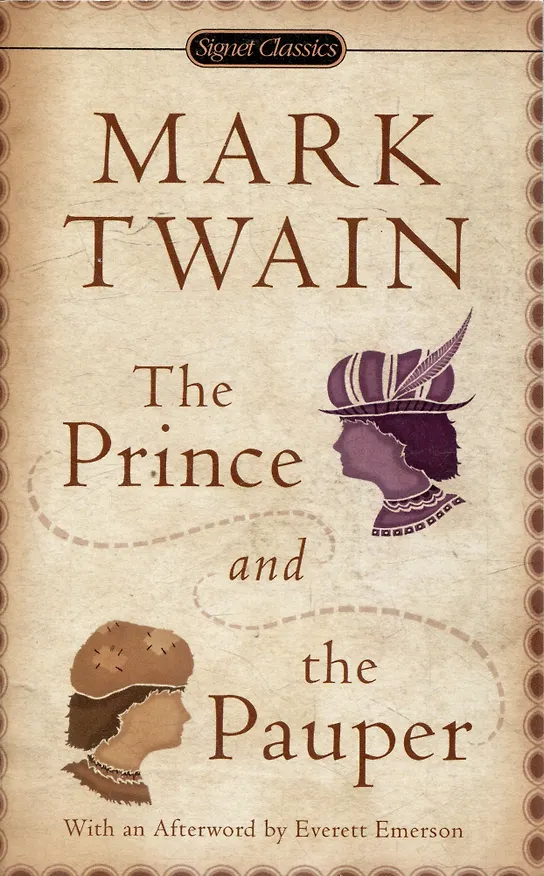
The Prince and The Pauper
Купили 22 человека
- Переплёт Мягкий
- Кол-во стр. 228
- Вес 140 г
- Год издания 2002
Отзывы
Принц и нищий
Прекрасное произведение Марка Твена в оригинале, положившее начало целому поджанру в литературе. История двух мальчиков, принца, наследника английского престола и его антипода, рождённого в лондонских трущобах бедного мальчика, которые меняются местами и с этого начинается череда приключений для обоих героев. Написано живо и увлекательно. Язык довольно лёгкий и понятный. Отлично подойдёт для изучающих английский с уровнем B1.
Плюсы
цена, шрифт
Минусы
нет
Описание и характеристики
They are the same age. They look alike. In fact, there is but one difference between them: Tom Canty is a child of the London slums; Edward Tudor is heir to the throne of England. Just how insubstantial this difference really is becomes clear when a chance encounter leads to an exchange of roles...with the pauper caught up in the pomp and folly of the royal court, and the prince wandering, horror-stricken, through the lower depths of sixteenth-century English society.
Out of the theme of switched identities, Mark Twain has fashioned both a scathing attack upon social hypocrisy and injustice and an irresistible comedy imbued with the sense of high-spirited play that belongs to his most creative period.
With an Afterword by Everett Emerson
- Переплёт Мягкий
- Кол-во стр. 228
- Вес 140 г
- Год издания 2002
- Автор
- Размеры в см 1.5x10.6x17
- ID товара 2873143
- ISBN 978-0-45-152835-3, 978-0-451-52835-3